Confido Launches AI-Powered Accounting and TPM Platform for Foodservice Brands


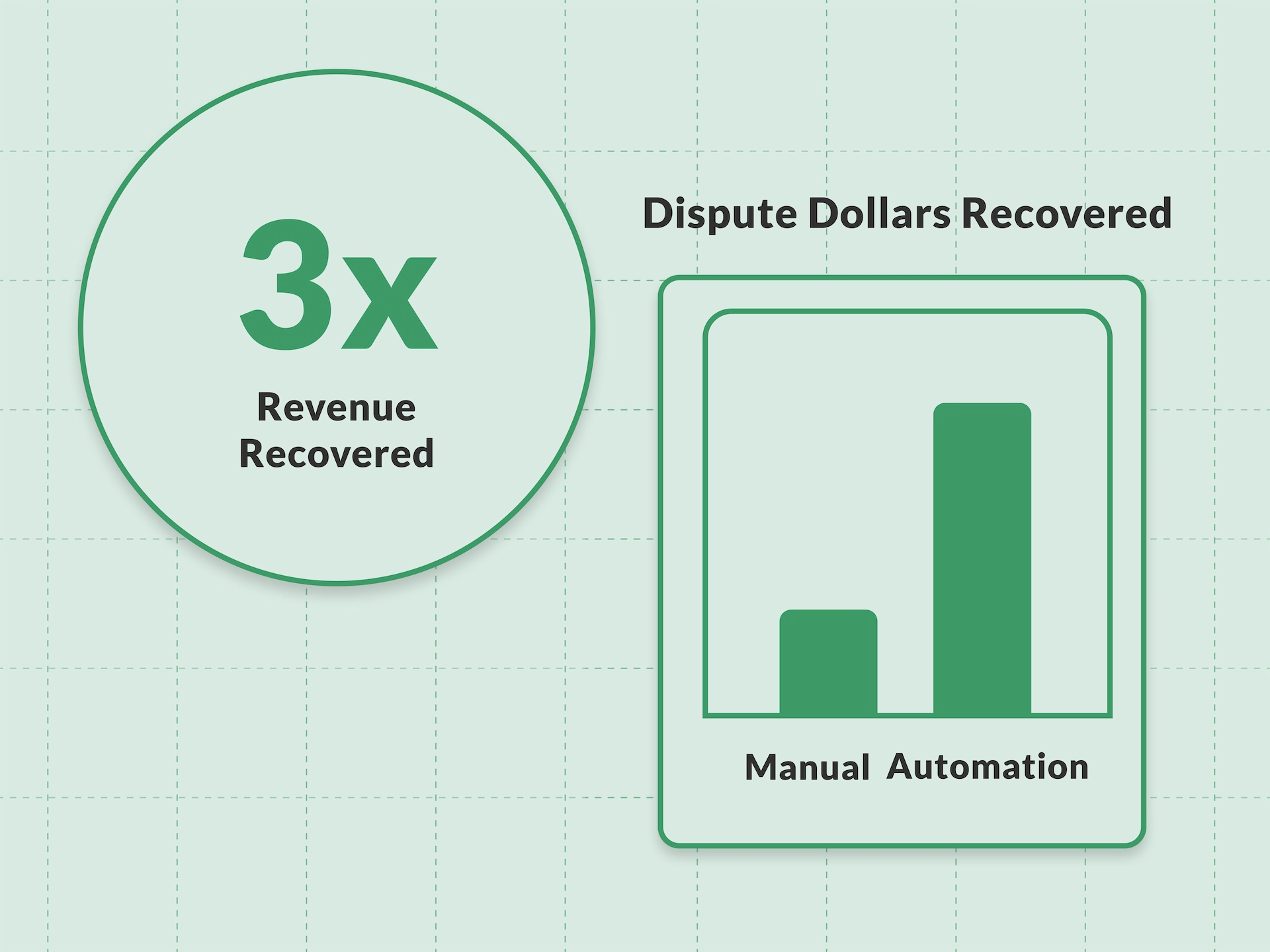


Recover Revenue and Uncover Who Is Buying, With the Data You Already Have
Foodservice manufacturers are paying for the same answers twice. Finance spends weeks combing through billbacks and rebate invoices to catch double dips. Sales spends budget on distributor reports, broker input, and third-party data to find out which operators are buying. Both teams are digging through the same transactions, and neither knows the other already has half the answer.
The best organizations have stopped splitting the work. Everything they need is already sitting in the claims they receive every month. They read it at the line.
Double dips hide in claims checked only at the total
In most organizations, claims are validated at the total. A billback is checked against an expected amount, coded, and paid. Overlaps between a direct operator deal and a GPO rebate, or between GPO and FSMC programs, surface months later in an audit, if they surface at all. By then, recovery is slow and partial.
Craig Ripley, founder of FueledCPG, who led the commercial restaurant team at Kraft Heinz and the away-from-home business at Chobani, described how easily these overlaps slip through: “In large foodservice organizations, overlapping customer agreements can create significant exposure to duplicate rebates and deductions. Without the right systems and controls, identifying those overlaps becomes an incredibly manual process.”
The same billbacks show the operator, site, and product behind every payment. Commercial teams often pay outside data providers for that visibility. Yet once finance processes and files these documents, sales rarely sees them.
The best teams check every claim line by line
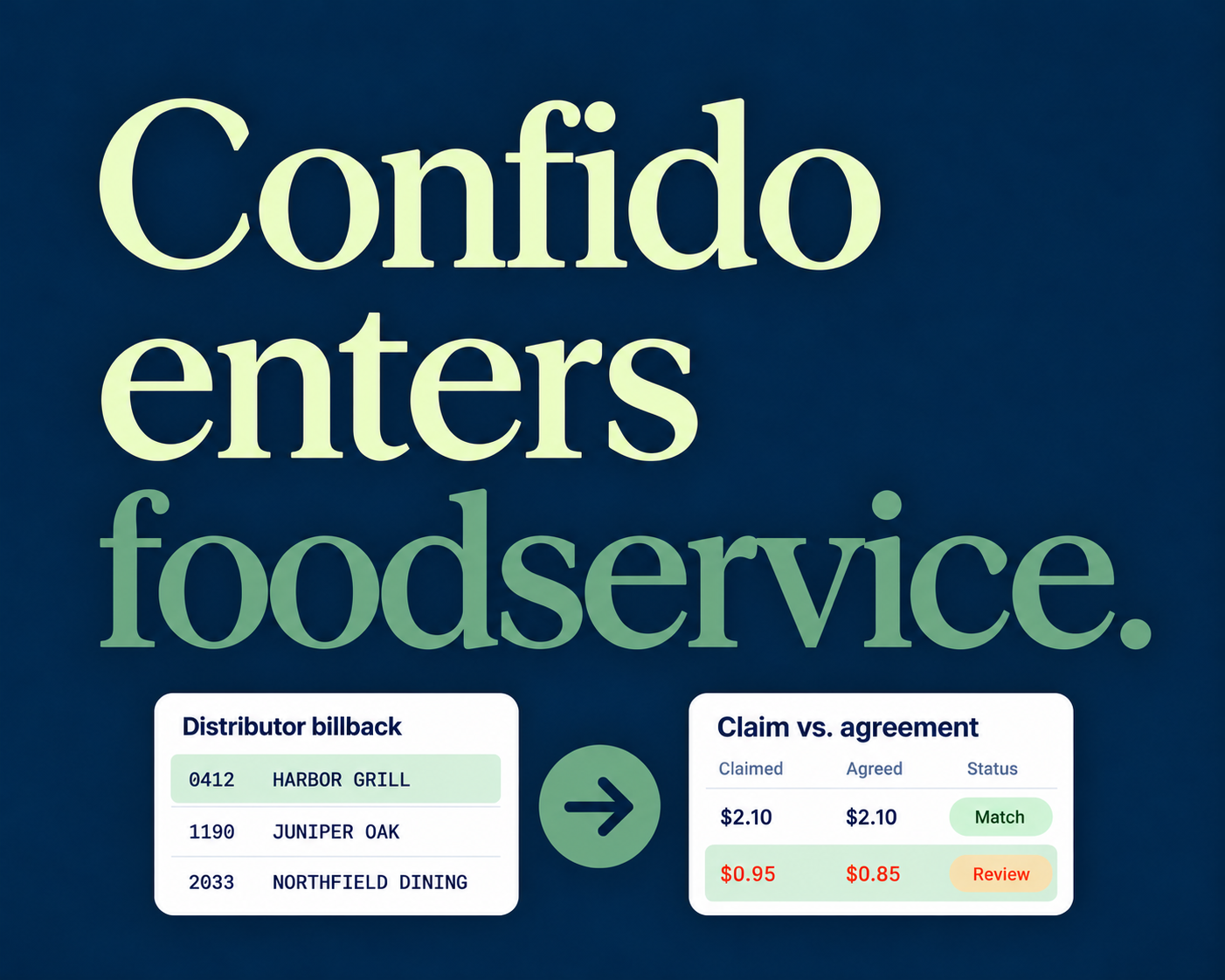
Leading teams split every billback, GPO invoice, and FSMC invoice down to the line level. Each line is resolved to a consistent operator and site, the originating distributor, and the item, then tied to the agreement it should fall under. At that level of detail, finding a double dip is a simple match: the same operator, item, and month claimed under two agreements.
Short pay the duplicate before it goes out, with proof attached
When overlap is identified before payment, the response changes. Best-in-class teams short pay the duplicate at the time of payment, leave the valid portion paid, and send a partial dispute with both backups attached and the competing claim identified. Because the evidence is assembled from the line data itself, disputes that were once too small to pursue become worth pursuing, and recovery shifts from an annual audit to a routine part of cash application.
The same claim lines show sales who’s buying
The resolved lines that power recovery also form a record of operator purchasing. Leaders can see which operators and sites bought their products, through which distributors and redistributors, and under which programs. The full path from manufacturer to operator stays intact. Unlike third-party data, this record reflects the brand’s own volume and ties directly to what the brand paid.
A director of foodservice sales strategy and planning described the gap: “What I can’t see is who US Foods in New York is selling to. That’s the key piece that we just don’t have today.”
Each claim cycle compounds the advantage
Recovery and visibility reinforce each other. Each cycle of claims adds to the record of operators, sites, and program memberships. That record sharpens detection: knowing when an operator joined a GPO or switched FSMCs shows which program owns a claim. Recovered dollars and attributed volume show which programs earn their spend and which accounts are growing. Contracts built on that evidence have clearer eligibility and fewer overlaps, which means cleaner claims next cycle.
The organizations that start this cycle first gain an advantage that widens with every quarter of data.
Four questions to benchmark your claims process
A useful benchmark for any foodservice organization:
- Are claims validated at the line, or at the total?
- Is a duplicate short paid before payment, or found in an audit afterward?
- Can sales name the operators behind its largest program from claims already received?
- Does trade planning draw on the same records finance pays against?
Accurate, line-level claims benefit the entire channel. Manufacturers pay with confidence, and distributor, GPO, and FSMC partners receive fewer and better-documented disputes. The data to get there is already arriving every month.
Want to see what your existing billbacks can tell you? Confido helps foodservice manufacturers recover double-dip revenue, uncover who is buying, and optimize trade, using the claims they already receive today. Send us a recent billback, and we will show you the operators and overlaps behind it. Visit confidotech.com today.


Explore More Resources